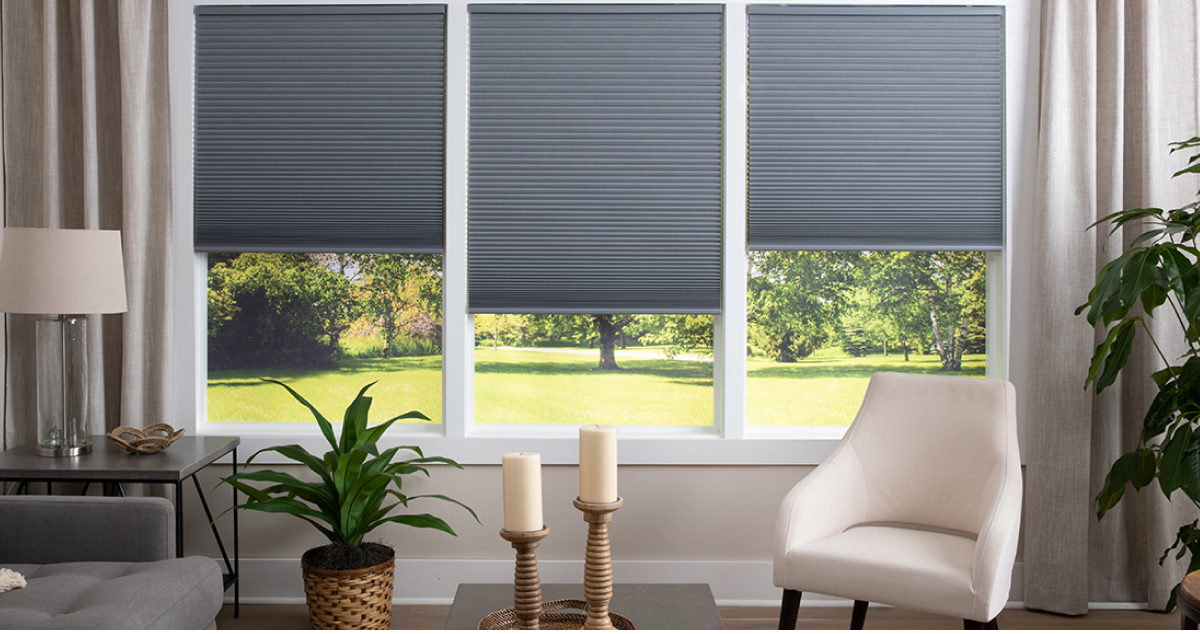
We often concentrate on the most important things in our quest for comfort at home: the reverse-cycle AC, the ceiling insulation and the refrigerator that is high-performance. The fact is that it's not often thought of, but blinds on windows can be a very powerful player when it comes to energy efficiency. Blinds for windows are the primary heat loss source and unnecessary heat gain, especially in hot climates with long summers. The right window furnishings are not only for fashion or for privacy. They also have a direct impact on the thermal performance of your house, which can be evaluated as a percentage of your budget and carbon footprint. The secret lies in the hidden engineered fabric that is designed to hold the heat, then reflec-te it and insulate.
Understanding the issue as well as the physics behind the window is essential to understanding the opportunity. Glass is an extremely insulator. In the summer, it acts as a magnifying glass, allowing shortwaves of solar radiation to enter your home. The heat is absorbed and trapped by your floors and furniture and then released as longwaves. In winter, this is reversed. The radiant heat of the heater escapes via your windows that are cold. Blinds made of single layers, which is simple vinyl or fabric piece, provide a moderate shield. They can block reflections, but they accomplish very little to prevent the convective transfer of heat. It's the designs that make use of reflective technology and trapped air that make a real difference.
Honeycomb (or cellular) and thermal-backed roller blinds are two examples of these blinds which can be unsung heroes when it comes to the efficiency of your home.
The Reflective Barrier: Thermal-Backed Roller Blinds
Imagine them as an foil bag that is insulated. A standard blockout roller blind becomes a thermal powerhouse thanks to the addition of an extremely thin, and often metallic, layer that is attached to the fabric's back. The key is the reflective coating. When the blind is closed, this reflective coating faces towards the outside. It functions as mirrors, scattering an enormous amount of sun's radiant energy away from your window before it can even penetrate the glass. This is an active defense. The same principle can be reversed during winter. If you lower your blind, the reflective coating will direct your light towards the area and reflect the heat. This simple, elegant and highly effective method turns an ordinary blind into a thermostat. Look for blinds with a "Total Solar Energy Rejected (TSER)," which specifies the percentage of solar energy blocked. Thermal-backed blinds, in particular, can reject more than 70 percent of the heat that comes from the sun.
Honeycomb (Cellular) Blinds: The Insulating Trap
Honeycomb blinds are a beautifully constructed structural design that protects. Their hexagonal, beehive-like cells aren't just a beautiful visual feature; they also function as mini-insulators. The vertical columns of material trap and enclose pockets of air when the blinds are lowered. The principle behind double glazed windows and cavity wall insulation is that air when static, functions as one of the most effective insulators in nature. Air pockets create a powerful buffer zone between window glass, and your living space. They reduce the transfer of heat in both directions. When there is a heat wave in summer the glass is heated to a blistering temperature that takes longer for air to warm. The glass's icy temperature will keep your space warm on cold winter days. Double-cell designs have two layers of cells to create an even more robust air barrier. Honeycomb blinds offer dual-season design. They can block the heat from entering or out.
Making use of the product in a strategic manner is more important than simply buying it. Sealing is crucial. Performance decreases when gaps are present. It is crucial to get professional installation and measuring done. The seal made by a blind that is perfectly fitted to the window recess will create an ideal seal on all sides. For face-fitting, side channels can be used to direct and remove air and light gaps. This is also crucial. The blinds should be completely lowered during high temperatures so that they can keep out the summer sun. In winter closing them as soon as the sun sets acts like drawing an insulating curtain across an uninviting doorway.
When consulting with suppliers, shift the conversation from just colour and cost-per-square-metre. Inquire about technical issues that will provide the actual performance.
The financial logic is convincing. Even though the cost of high-quality thermal or honeycomb models are higher upfront than basic models for most blinds but it is best to view it as a longer-term investment and not a loss. Your heating and cooling system's burden can be decreased dramatically, which can reduce the expense of operating it. When you consider the lifespan of the blinds - which can last a decade or longer - the energy bills saved can almost pay for it. Blinds aren't simply window treatments. They can be a way to get a lower, less frequent electricity bill.
At the end of the day, choosing blinds that are energy efficient will allow you to create a home that is more resilient and sustainable. It's all about intelligent design that is able to adapt to our challenging climate instead of simply battling against it the harsh air conditioning. This provides a more steady temperature as well as a more relaxing atmosphere. The invisible insulation layer inside your blinds is an excellent way to increase household efficiency particularly at a time when energy costs are rising and awareness of the environment is growing. It's an easy fix that will pay off in terms of comfort and in cash, season after season. Have a look at the best blinds for blog advice including blinds and blinds, diy blinds, high window shades, fit shades, made blinds, blinds custom, custom blinds australia, blinds direct how to fit, get blinds, blinds for you and more.
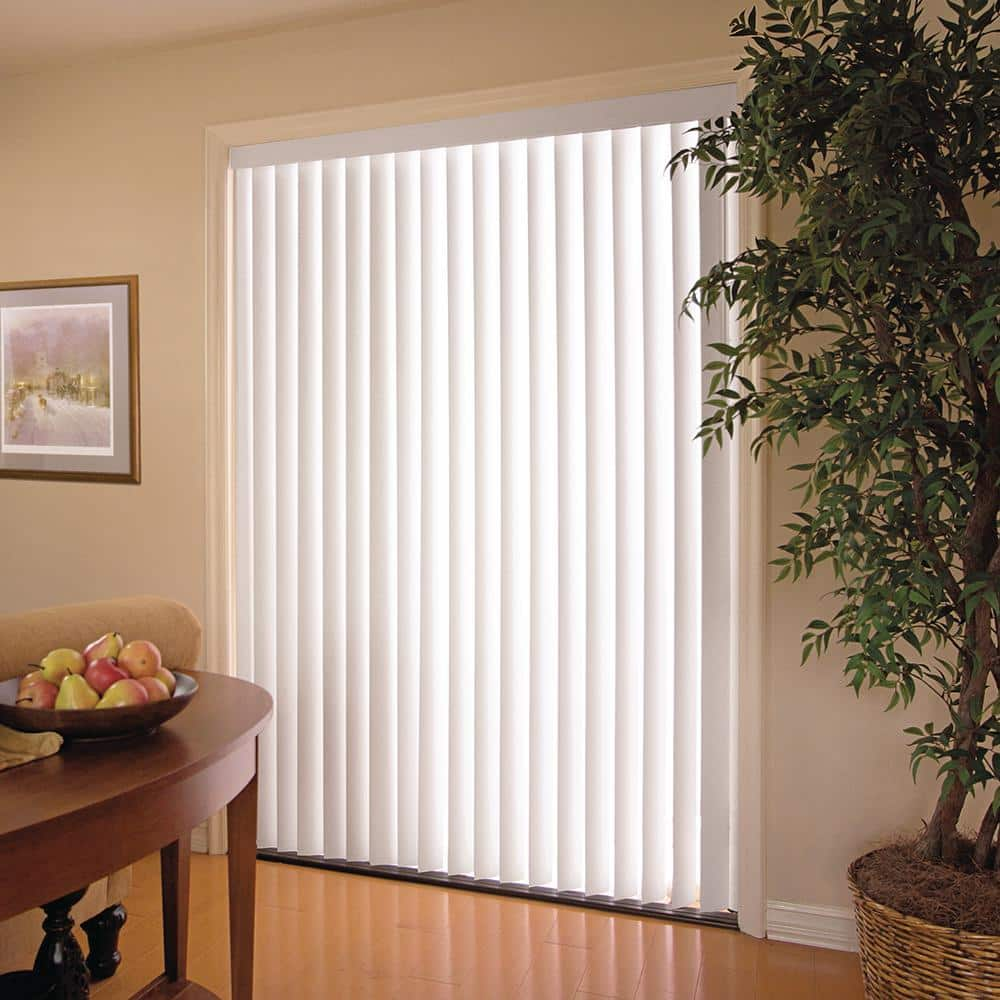
What Happens When Blinds Are Fitted?
In the Australian industry of blinds, the moment that blinds are installed can often be like the last step on the line. The installer is gone after the boxes have been taken away and your new furniture is in place. A product that is going to be used for a long time, exposed to harsh sunlight and expected to last more than a decade it's not an end in itself, it's just the beginning of supplier's responsibility. The after-sales service, often not included in your purchase contract, is an essential element. It includes the standard of the installation, the instructions for continued care, and a committed path to repair or adjust when the inevitable occurs. The transaction transforms into a long-lasting relationship and the true nature of a service provider is exposed.
Installation is the primary and primary pillar of the service following sales. Professional installers do not simply install blinds, they are also the last check for quality. They directly impact on the quality and performance of your blinds. If you use an accredited company and the installer is an employee of that company or a subcontractor who has a proven track history. Not just a random person who is hired via an online platform. They are equipped with the proper equipment, no matter if your home is made from double bricks, steel studs or concrete. The installers install every required child safety device, and don't just provide you with the parts. They show you how to operate each blind properly, including the proper way to secure cords on an cleat, or to programme the remote. They clean up meticulously and leave no traces. Before leaving the facility, staff members should provide the contact information, whether it is directly or via an email address for the local office instead of an office or call centre. This is your first experience with after-care.
The second pillar starts to appear after the installer is gone: proactive maintenance tips. Blinds aren't something you simply "install and forget". The life span of blinds is determined by how you handle and clean them. A business that cares about your long-term satisfaction won't give this up to chance. The care instructions must be written in a specific manner and tailored to the fabric you pick. They are not general guidelines, but tailored advice: the best microfiber fabric and pH-neutral cleansers to use with your solar fabric caution against using oils-based polishes for timber Venetians blinds; a timetable for cleaning honeycomb blinds order to keep dust from building in the cells. Experts may recommend changes to your schedule, like making sure the cord is in good tension before summer, or making sure motorised blinds are charged. This guidance is intended to avoid common problems that could lead to premature wear or warranty claims. This indicates that your vendor sees blinds as an investment and not just a sale.
It's inevitable that even with all the effort and care it will be necessary to utilize the third pillar -- accessible repair assistance. A cord can break and a motor might become sluggish or a slat could be damaged. This moment will be the final test to determine how your supplier manages after-sales. The most important thing to consider is do they have a local and responsive service system? A trustworthy company will have an experienced service coordinator or local contact who knows your history. They will be able to diagnose problems over the phone and scheduling a quick visit by a technician carrying typical parts, and honoring warranty claims with no argument. Alternatives, such as an organization that assigns repairs to an unknown handyman, or sends you to the website of an overseas manufacturer can result in frustration and delays.
This support structure is particularly important for motorised or smart systems. Technology can add a layer of complexity. Does the supplier have a qualified technician who can diagnose the connectivity issues between your motor that is blind and the home hub? Do they have the ability to change the firmware, or even replace a power supply? Their after-sales capabilities must be in line with the level of sophistication of the product they sell. The company who only sells automated products but doesn't have the support staff to maintain them is at risk of being a risk.
If you're evaluating a supplier your inquiry should probe the after-sales market. Don't simply ask "Are warranties and installation included?" Get specific answers on scenarios: "If I encounter a problem with my blind six months after installation What steps do I need to take?" What should I do first? Do you stock spare parts locally for your motor system or do you order them from overseas? If you need to repair your warranty Do you charge an out-of-hours fee? The answers they give will indicate their level of preparedness. A clear, confident response that outlines a local contact as well as an obligation to provide prompt service is a powerful indication of trustworthiness.
In the end, the value of a robust service after sales is measured by the peace of mind it brings and the durability of the product over time. Your investment is secured. Blinds that the original manufacturer is able to adjust, fix or even maintain can last far more long than one that tears down as soon as a tiny problem occurs. It can save you money because it prevents the need for expensive replacements when a few minor repairs are all that is needed.
In the Australian market that is where homes constructed to last a lifetime, and interiors can be significant investments, a long-term outlook is crucial. This is because the supplier who has an actual showroom, a local team of installers, and a good standing in your community will be more accountable. They offer a full range of service, from expert fitting to a well-informed care and the most reliable repair. It is important to choose a provider that will be your partner for the life of the blinds. You'll be ensuring that the picture you love now will be flawlessly framed for the years to come, with the peace of mind that should a cord break or a remote fails and you need to call a local call can set the issue right. This is probably the most crucial clause of your contract, but it's not written down.